

Coming home
Keeping bed bugs out after a trip, a move or a used mattress
Bed bugs reach a home on luggage, clothes and furniture. A dryer, a few zippered covers and a cup under each bed leg give you a plan for what comes through the door after a trip, a move or a used mattress.
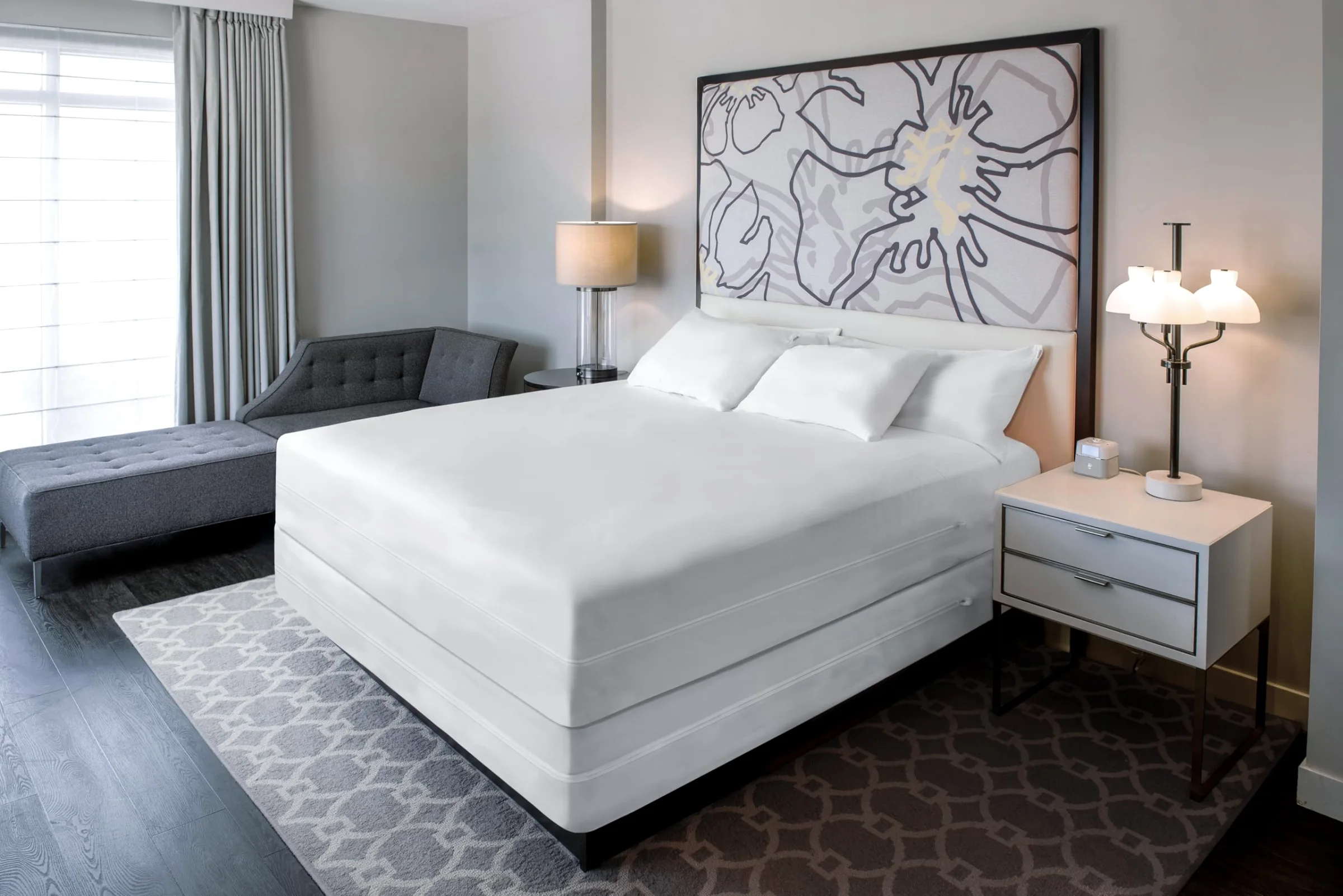
How bed bugs get into a home
The U.S. EPA calls bed bugs hitchhikers. They ride in on luggage, on furniture and on clothing, which puts the attention on what you carry inside. The CDC narrows it further: bed bugs travel in the seams and folds of luggage and clothes. That gives you a short list of places to look, and they are all things you handle anyway when you come home.
It helps to keep the stakes in proportion. The CDC states that bed bugs are not known to spread disease. Their bites can cause itching and loss of sleep, and in rare cases an allergic reaction. None of that is pleasant, and it is a good reason to keep them out, but a trip home with a suitcase is not an emergency. It is a routine, and a routine is easy to keep.
That routine covers more than vacations. A weekend at a relative's house, a week of business travel, a child back from camp or college: each ends with a bag and a pile of clothes, which are exactly the things the CDC names.
Unpacking after a trip
The two places the CDC names, the seams and folds of luggage and of clothes, map neatly onto two jobs: look at the bag, and run the clothes through heat. The University of Kentucky entomology fact sheet gives the heat you need. A clothes dryer at medium-to-high heat for 10 to 20 minutes kills all life stages of bed bugs.
- Open the suitcase and look along its seams and folds, the places the CDC says bed bugs travel.
- Move the clothes from the trip straight into the dryer and run them at medium-to-high heat for 10 to 20 minutes, the range the University of Kentucky gives for killing every life stage.
- Give a backpack, a toiletry bag or anything else that cannot go in the dryer the same slow look along its seams and folds.
The dryer step does the heavy lifting, because it reaches into folds your eyes cannot. Keep the tumble going for the full time, and keep the heat at medium or above. A low, delicate setting is a different thing from the cycle the Kentucky sheet describes.
Clean, folded clothes you never wore go in the dryer too. The CDC's point is about the seams and folds of the clothes and the bag they rode in, not about whether anyone wore them.
Timing matters less than you might hope. A bag that went back into the closet without a look is still worth opening weeks later, since the EPA puts the time bed bugs can survive without feeding at several months to a year.
| What comes in | What the source says | What you can do |
|---|---|---|
| Suitcase | CDC: bed bugs travel in the seams and folds of luggage | Look along every seam and fold of the bag |
| Clothes from a trip | University of Kentucky: a dryer at medium-to-high heat for 10 to 20 minutes kills all life stages | Run them through the dryer at that heat for the full time |
| Used furniture | EPA: bed bugs hitchhike on furniture and can survive several months to a year without feeding | Look it over before it comes inside, and set cups under its legs once it is in |
| Used mattress | University of Kentucky: bed bugs zipped inside an encasement eventually die | Zip it into an encasement before it goes on the frame |
| Your own bed | University of Kentucky: a trap under each leg with the bed pulled off the wall makes the bed an island | Cups under every leg, bed off the wall, no bedding touching the floor |
Moving house, or bringing home used furniture
A move puts the whole home in boxes and trucks at once, and a secondhand couch or dresser brings in a piece with a history you do not know. The EPA lists furniture alongside luggage and clothing as something bed bugs ride on. It also notes that they can survive several months to a year without feeding, so a piece that sat empty in a garage or a storage unit for a season is not clear simply because nobody used it.
Look a used piece over before it crosses the doorway, paying the same attention to seams and folds that the CDC asks for with luggage. Once it is inside, the EPA advice for furniture you want to watch applies: an interceptor under each leg, the piece a few inches off the walls. A cup under a couch leg takes a minute to set and shows you, week by week, what has walked into it.
A used mattress or box spring deserves an encasement before it goes onto the frame. The University of Kentucky notes that bed bugs zipped inside an encasement eventually die, and the EPA's do-it-yourself page makes the same point about covers that seal mattresses and box springs. Because of that months-to-a-year survival figure, the cover stays on long after the move is done. Our mattress encasements and box spring encasements are cut in every common size, and the size and depth guide helps you match a cover to a mattress you have not lived with yet.
Your own mattress makes the trip as well. If it already wears an encasement, leave it zipped through the move. The EPA's months-to-a-year survival figure is the reason a cover stays on in the first place, and moving day is no reason to start that clock again.
Setting up the bed before anything new comes in
Setting up the bed before the suitcase or the moving truck arrives means the cups and covers are already in place on the first night. Two pieces do most of the work, and each covers what the other cannot. The University of Kentucky is clear that an encasement does not stop a bug from climbing onto the bed, while a cup under each leg, with the bed pulled away from the wall, turns the bed into an island.
Texas A&M AgriLife Extension describes the cups in practical terms: one under each bed post, the bed off the walls and no bedding on the floor. It counts at least 12 cups for a two-bedroom apartment, and the interceptor count page helps you tally your own legs. The EPA asks you to check and clean the cups every week, which fits neatly into the day you change the sheets.
- Set the frame a few inches off the wall, as the EPA advises.
- Put a cup under each leg, the way Texas A&M describes it, including any center support leg.
- Zip the box spring and then the mattress into their encasements, the two covers the EPA names together.
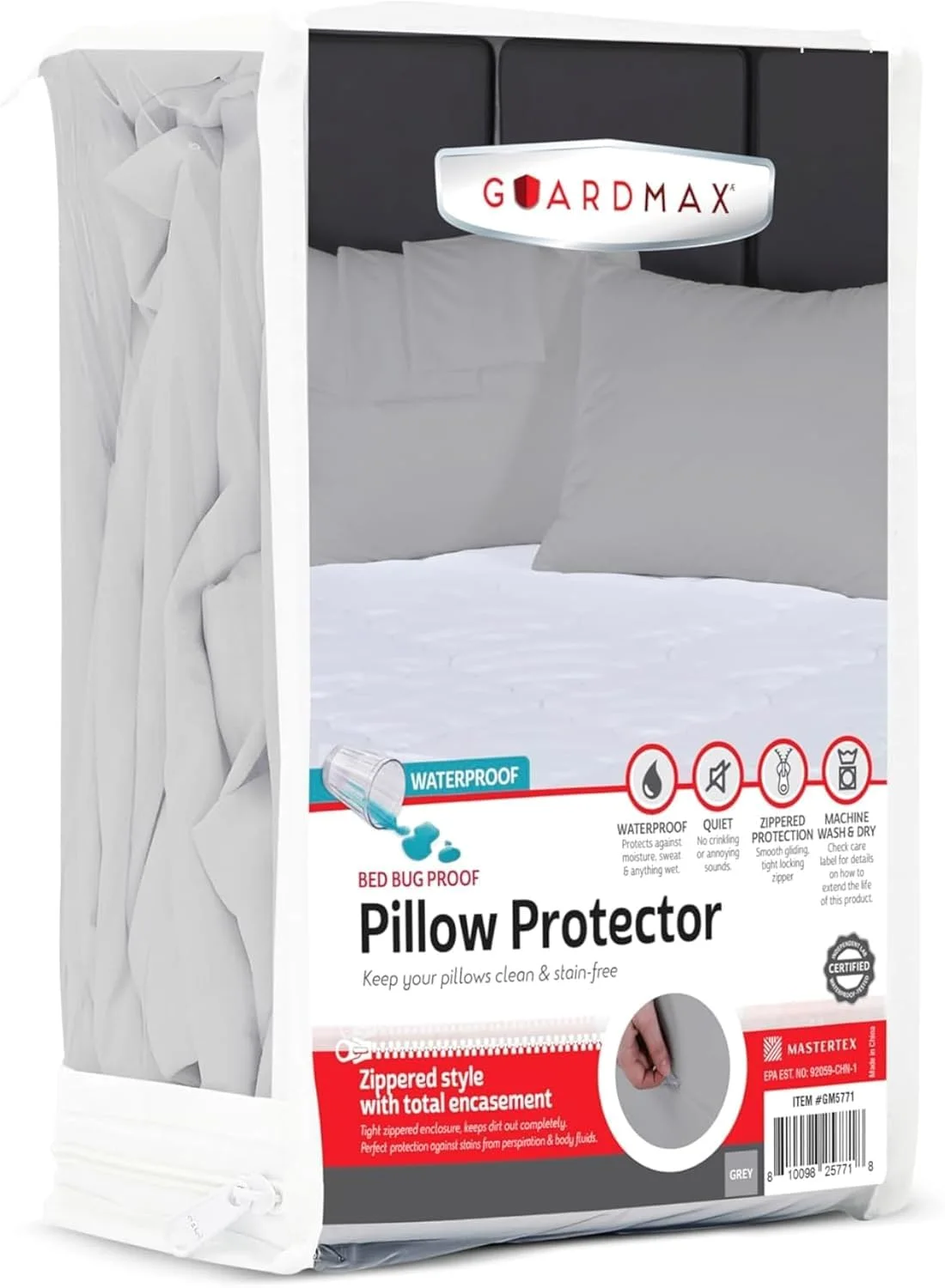
- Put the pillows in zippered covers under their pillowcases.
- Make the bed so that nothing hangs down to the floor.
Pillows follow the same idea as the mattress. A zippered pillow cover closes around the pillow like a small encasement, and the ones on our pillow encasement shelf come in Standard, Queen, King and Body sizes from several makers. For a spare room that only gets used when guests visit, floor monitors from the traps and monitors shelf give you something to look at between visits.
If you find a bed bug at home
Stay calm and keep it in proportion. The CDC states that bed bugs are not known to spread disease, and one bug in a cup or on a seam tells you something is there, not how far it has gone. If you find them in the home itself, call a licensed pest professional. Cups, covers and a hot dryer are a household routine. Clearing an infestation is a different job, and it belongs to a professional.
Until that visit, keep looking into the cups each week, as the EPA advises, and keep the encasements zipped all the way to the end. If you want to read more on either piece, see how interceptor cups work and choosing a mattress encasement. Every cup, cover and monitor we carry is in the Bed Bug Blocker catalog.
